
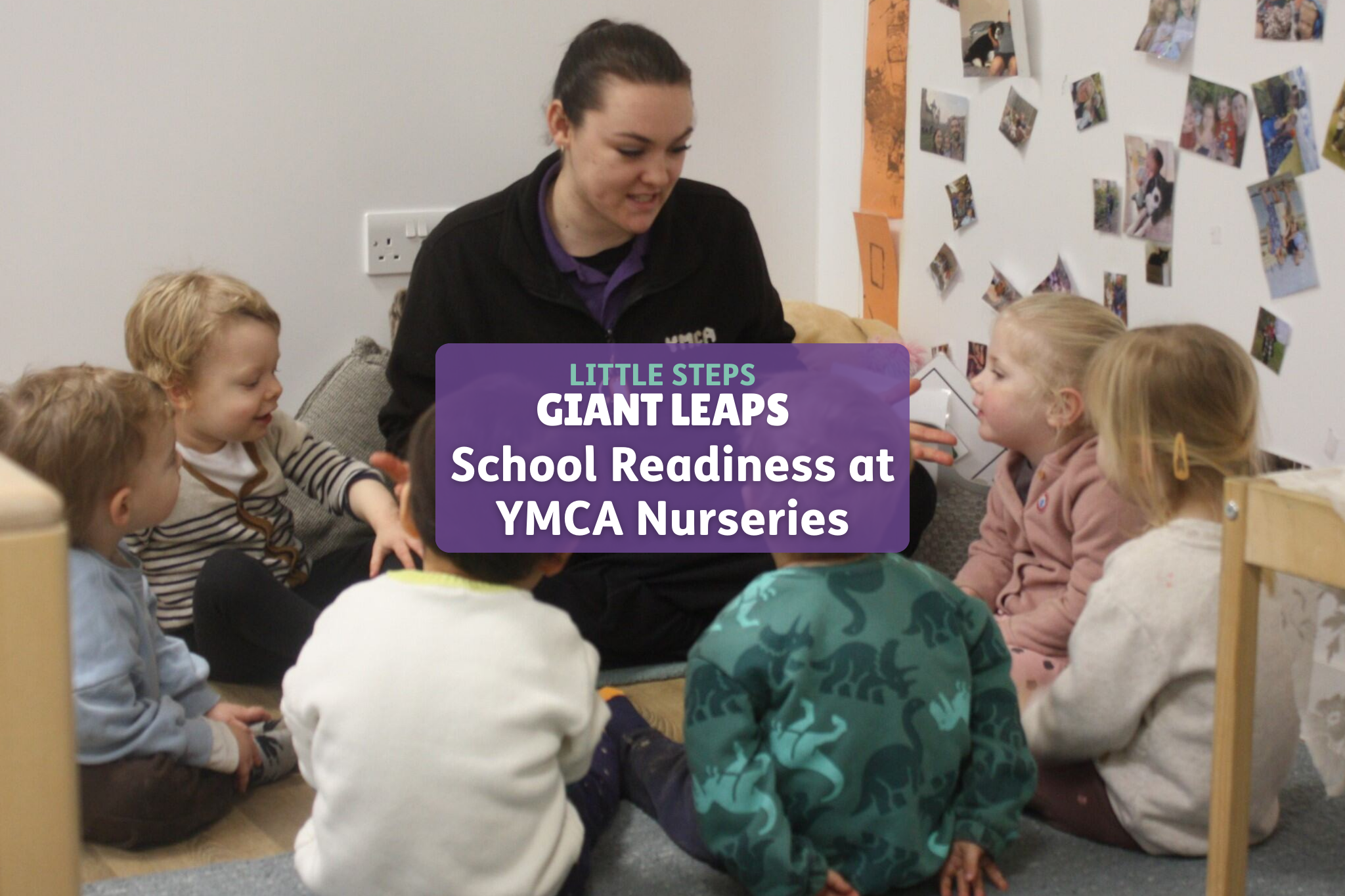
How YMCA Nurseries Support School Readiness
Starting school is an exciting milestone for both children and families. At YMCA nurseries, preparing children for this transition is about much more than learning the alphabet or counting to ten. It’s about building the confidence, independence, and social skills children need to feel ready and excited about starting school.
By focusing on school readiness in the early years, YMCA nurseries help children develop the foundations they need to succeed in the classroom and beyond.
What Does “School Readiness” Mean?
School readiness is about much more than academic ability. While early literacy and numeracy skills are important, children also need social, emotional, and practical skills to thrive in a classroom environment.
Being school ready means children can:
-
Communicate their needs and ideas
-
Build positive relationships with others
-
Follow routines and instructions
-
Manage their emotions
-
Approach learning with curiosity and confidence
At YMCA nurseries, we support these areas through everyday activities and meaningful learning experiences.
1. Developing Strong Communication and Language Skills
Communication is one of the most important skills children develop in their early years. Being able to speak clearly, listen to others, and understand instructions helps children engage confidently in a classroom environment.
At YMCA nurseries, practitioners support language development through:
-
Storytelling and shared reading
-
Singing songs and rhymes
-
Group discussions and circle time
-
Everyday conversations during play and activities
These experiences help children expand their vocabulary and become more confident expressing themselves. Strong communication skills also support children in building friendships and participating in group learning once they start school.
2. Encouraging Social Skills and Friendships
Learning how to interact with others is a key part of school readiness. Through group play, collaborative activities, and shared experiences, children learn how to:
-
Share toys and resources
-
Take turns during activities
-
Work together to solve problems
-
Respect others’ feelings and perspectives
Practitioners guide children through these interactions, helping them understand positive behaviour and develop the social confidence needed for school life.
3. Building Independence and Confidence
Starting school requires children to manage small tasks independently and feel confident trying new things. At YMCA nurseries, encouraging independence is an important part of daily routines.
Children are supported in:
-
Making choices about activities
-
Tidying away resources after play
-
Dressing themselves for outdoor play
-
Managing simple tasks and responsibilities
These everyday experiences help children build self-confidence and resilience. As they learn to do more for themselves, they develop the independence needed to adapt to a school environment.
4. Introducing Early Literacy and Numeracy
Early exposure to reading, writing, and numbers helps children build the foundations for future learning. At YMCA nurseries, these skills are introduced through fun, engaging, and age-appropriate activities rather than formal lessons.
Children explore early literacy and numeracy through:
-
Listening to stories and recognising letters
-
Singing number songs and counting objects
-
Playing games involving shapes, patterns, and sorting
-
Drawing, mark making, and early writing activities
By embedding these concepts into play, children develop an interest in learning while gaining the basic skills that support their transition into school.
5. Supporting Emotional Development
The transition to school can bring new challenges and emotions for children. Developing emotional awareness helps them navigate these changes with confidence.
Nursery practitioners support children in learning how to:
-
Recognise and express their feelings
-
Manage frustration and disappointment
-
Build resilience when facing new challenges
-
Develop empathy and understanding for others
A nurturing and supportive environment allows children to feel safe while learning how to manage their emotions effectively.
6. Creating Familiar Routines and Structure
Schools often follow structured routines throughout the day. Introducing similar routines in nursery can help children feel more comfortable when they move into a school setting.
At YMCA nurseries, children experience daily routines such as:
-
Group activities and circle time
-
Structured play and learning sessions
-
Transitions between different activities
-
Mealtimes and quiet periods
These routines help children understand expectations, follow instructions, and adapt more easily to the structure of a school day.
.
Helping Children Feel Ready for the Next Step
Preparing children for school is about nurturing the whole child. By supporting communication, social skills, independence, and emotional wellbeing alongside early learning, YMCA nurseries help children develop the confidence they need to thrive.
Our goal is not to rush childhood but to create a strong foundation that encourages curiosity, resilience, and a lifelong love of learning.
Through a combination of play-based learning, supportive care, and structured development opportunities, YMCA nurseries help children take their first steps toward a happy and successful school journey.
Contact your local YMCA Nursery-
For Forest School, please select Fairthorne Manor.


