
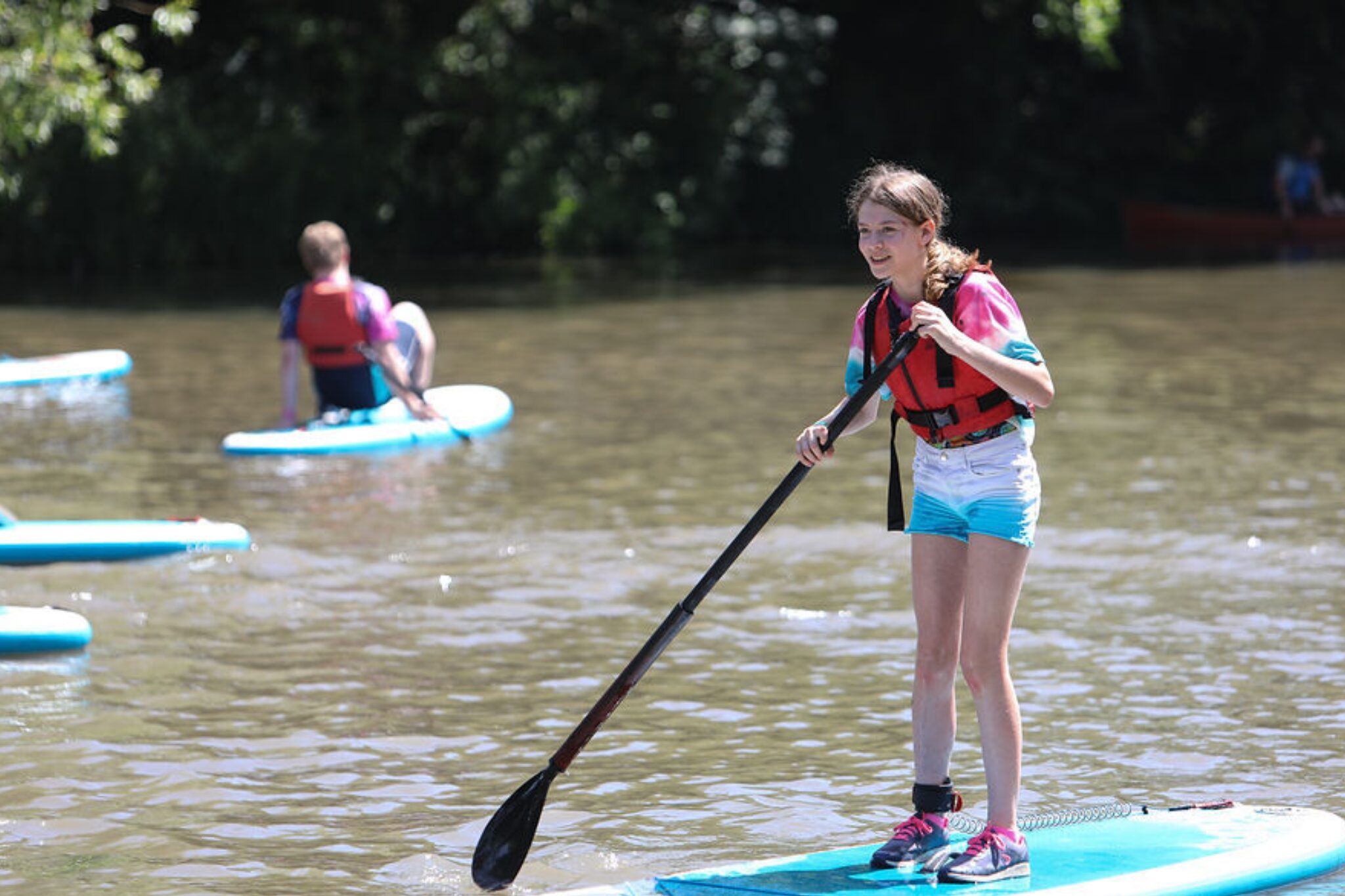
Residential trips are far more than a few days away from home. Research in outdoor education shows that these experiences can lead to improvements in personal development, particularly in confidence, social skills, and resilience.
Below is a breakdown of the key areas of development children typically experience on a residential trip.
x
Independence & Responsibility
Residential trips place children in an environment where they must take responsibility for everyday tasks – packing their belongings, time management, and making decisions without constant adult direction.
Although teachers and instructors are their to guide students, it is a good opportunity for them to get their first sense of proper independence.
x
Stronger Friendships
One of the most immediate outcomes of residential trips is the development of bonds with their peers. Being immersed in shared experiences and living in close quarters naturally strengthens relationships.
Studies in group-based outdoor learning show that collaborative environments significantly increase peer connection and social cohesion, with children reporting stronger friendships after shared challenge-based activities.
x
Confidence & Self-Belief
Residential experiences often push children outside their comfort zones – whether it’s trying new activities, sleeping away from home, or tackling physical challenges.
This boost in confidence often carries over into classroom participation and everyday challenges.
x
Teamwork & Leadership
Residential trips rely heavily on group-based tasks and cooperative problem-solving. Whether it’s navigating an obstacle course or working together on evening activities, children learn how to function as part of a team.
These experiences help children understand how to contribute effectively in group settings.
x
Resilience & Adaptability
Perhaps one of the most important long-term benefits is resilience. Residential trips often involve unfamiliar environments, unexpected challenges, and problem-solving under new conditions.
These experiences help children build emotional strength and flexibility that supports future academic and personal challenges.
x
Final Thoughts
Residential trips offer more than enrichment – they provide an environment for growth. Across independence, friendships, confidence, teamwork, and resilience, children return not only with memories but with skills that shape how they approach learning and life.
Residential experiences are one of the most impactful forms of experiential learning available in education today.


