
Recent national discussions about Ofsted inspections and the pressures facing education professionals have prompted me to reflect on the relationship between the quality of our services and the people who make them possible.
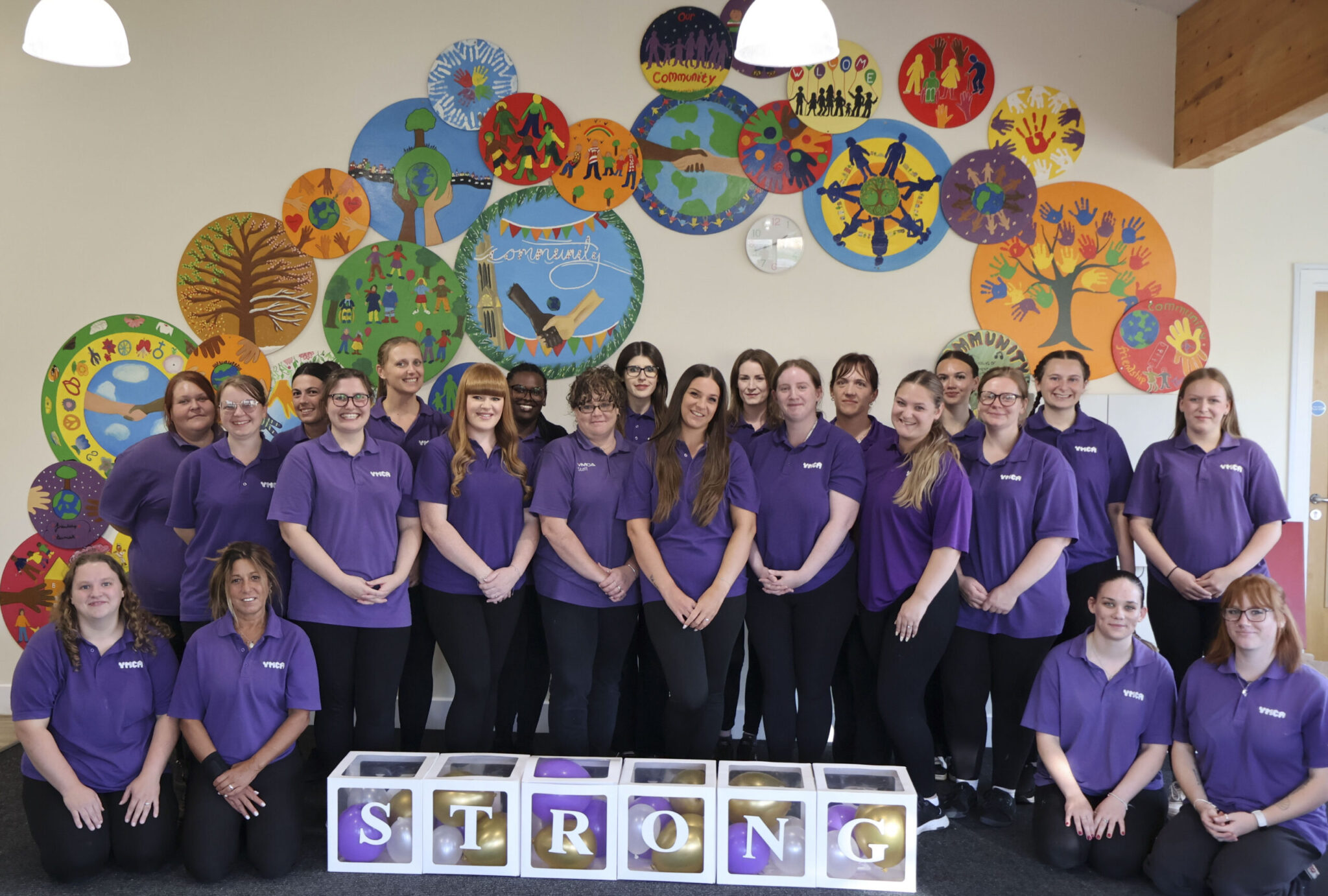
At YMCA Fairthorne Group, our recent Ofsted inspections at YMCA Andover and YMCA Eastleigh Nursery have given us much to celebrate. The positive outcomes recognise the care, expertise and commitment of our Early Years colleagues, who work every day to create nurturing environments where children feel safe, supported and able to develop the confidence they need for the next stage of their lives.
I am incredibly proud of what our teams have achieved, particularly at a time when the demands on the Early Years sector continue to grow. But these achievements have also reminded me that, while inspections provide an important measure of quality, the experiences of the children and families who rely on our services are shaped by something much more fundamental: the people who deliver them.
Across YMCA Fairthorne Group, much of the difference our colleagues make happens quietly and consistently. It is reflected in the relationships they build, the understanding they develop of individual needs and their willingness to adapt when circumstances change. These are not always things that can be easily measured, but they are often the foundations on which positive and lasting outcomes are built.
For me, this is particularly important as we consider what it takes to sustain high-quality services in an increasingly demanding environment.
Across our Early Years provision, we are seeing growing demand for support for children with Special Educational Needs and Disabilities (SEND), alongside increasing pressures on families and the professionals supporting them. These challenges are not unique to YMCA, nor are they limited to childcare. In our Housing and Youth Services, colleagues are supporting young people whose circumstances are often shaped by a combination of financial insecurity, mental health difficulties and barriers to accessing education, employment and independent living.
As the needs of our communities become more complex, so too does the responsibility placed on those working to support them. It requires professional knowledge and experience, but also patience, compassion and the ability to build trusted relationships that allow people to feel understood and supported.
The recent debate around inspections has highlighted the importance of recognising that responsibility, and the impact it can have on the wellbeing of those working in education. While high standards and accountability are essential, we must also consider how we equip and support the people responsible for meeting them.
At YMCA Fairthorne Group, this means moving beyond recognition alone and making deliberate investment in the capability, confidence and future development of our workforce.
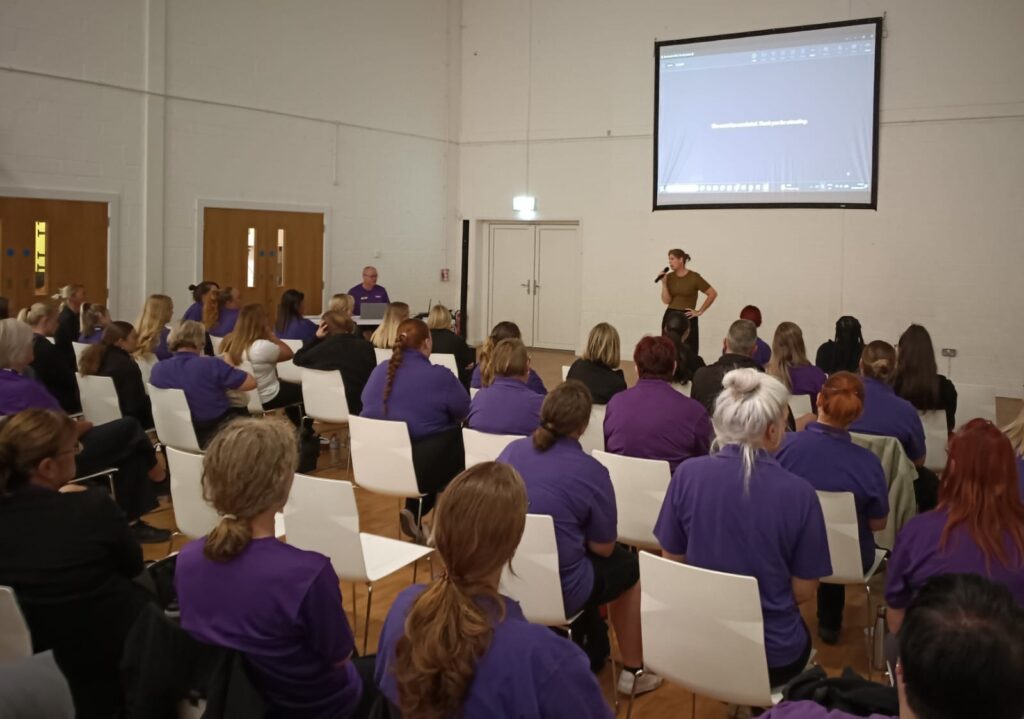
Our recent organisation-wide Early Years INSET day is one example of that commitment in practice. Bringing colleagues together from across our nursery settings provided an opportunity to share experiences, learn from one another and develop knowledge through specialist training. It also reinforced the value of giving teams dedicated time to reflect on practice, strengthen consistency and learn from expertise across the wider organisation.
That investment has now taken another important step forward with the launch of our Early Years Academy during September 2026. Our first cohort of 10 Level 2 apprentices represents an important part of creating a stronger internal pipeline into our Early Years workforce, giving people the opportunity to enter the profession, develop their skills and build a longer-term career within YMCA Fairthorne Group.
For me, this is about much more than recruitment. It is about succession, sustainability and creating clearer routes for people to progress. We know that securing the workforce we need for the future cannot rely solely on recruiting into vacancies as they arise. We need to create development pathways that help people build confidence, strengthen their practice and see where their skills could take them next.
There is also real value in developing talent from within the communities we serve. Many of our colleagues live in, or have strong connections to, those communities and bring with them local knowledge, lived experience and an understanding of the people and places around them. Creating meaningful routes into employment and progression helps strengthen that connection, while also building the future capability of our services.
The same principle applies beyond Early Years. Across Youth Services and Housing, colleagues can be working alongside young people experiencing some of the most difficult periods of their lives. That work can be hugely rewarding, but it can also be emotionally demanding. It is important that we recognise the impact this can have and create the right spaces for colleagues to reflect, learn and feel supported in navigating complexity.
Reflective Practice is one of the ways we are doing this. It provides teams and managers with structured space to think through challenging situations, learn from experience and feel less isolated in the pressures that can come with frontline and leadership roles. It sits alongside our wider wellbeing support and is already helping create a more thoughtful and supported approach to difficult work.
Alongside this, we are continuing to strengthen our wider learning offer, with a new learning platform that will allow development to become increasingly aligned to the work people actually do, rather than relying predominantly on generic training.
Over time, this will help us create clearer development pathways across the organisation, whether someone is beginning their career through an apprenticeship, developing specialist expertise or considering their next step within YMCA Fairthorne Group.
Taken together, these are not isolated initiatives. They are part of a wider commitment to building the skills, confidence and resilience we will need for the future.
There are no simple answers, particularly when organisations across the charity and education sectors are being asked to respond to growing need within increasingly constrained resources. But one thing is clear: sustaining high-quality services requires us to think not only about what our communities need today, but about the workforce and capability we will need tomorrow.
We will not always get everything right. Recent experience has reinforced the importance of remaining open to challenge, learning where improvements are needed and turning that learning into action. And for us at YMCA Fairthorne Group, that is where reflection becomes meaningful, when it leads to stronger practice, better support and more sustainable services.
Our recent achievements at Andover and Eastleigh are therefore something to celebrate, but they are also part of a much bigger picture. They show what is possible when skilled, committed people are supported to do their work well, and they reinforce the importance of continuing to invest in the development of our teams across YMCA Fairthorne Group.
As we look ahead, our purpose remains at the centre of this work: everyone should have a fair chance to discover who they are and what they can become. For us, delivering on that purpose means more than creating opportunities for the children, young people and families we support. It also means investing in the people who help make those opportunities possible – creating meaningful routes into employment, developing talent from within our communities and giving colleagues the chance to keep learning, growing and realising their own potential.
By strengthening the people behind our services, we strengthen our ability to deliver on that purpose, today and for the communities we will serve in the years ahead.


