
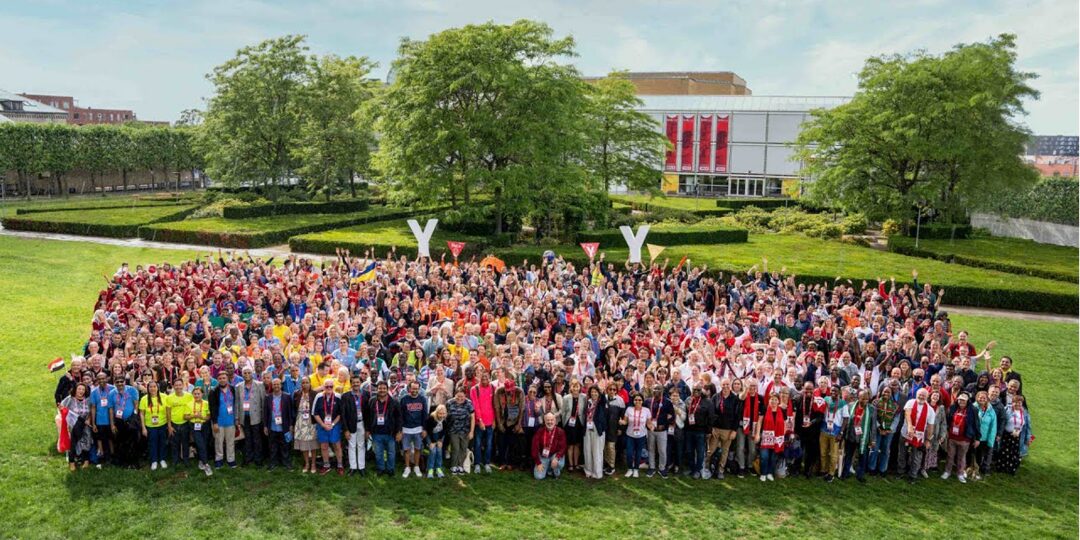
Following YMCA World Council 2026, Rancy Moreaux shares the experiences, conversations and ideas that challenged her thinking about community wellbeing, youth leadership and the importance of listening.
When Rancy Moreaux joined YMCA delegates from around the world in Toronto this July, she became part of a global conversation about the future of the YMCA movement and the role it can play in strengthening communities.
The gathering brought together people with different backgrounds, experiences and approaches to supporting others. From the opening ceremony, which celebrated cultural diversity through music, performances and Indigenous traditions, to workshops exploring some of the most pressing challenges facing communities, the experience provided plenty of opportunities to learn and reflect.
For Rancy, however, some of the most valuable insights came from recognising just how much YMCAs around the world have in common, particularly when it comes to supporting young people, creating environments where people feel they belong and ensuring those who use our services have a meaningful voice in shaping them.
Rethinking Community Wellbeing
One of the sessions that particularly resonated with Rancy explored the YMCA’s role in community wellbeing and the importance of shifting attention from responding to crises towards helping prevent them.
Discussions highlighted the growing challenges of poor mental health, isolation and unequal access to support, encouraging delegates to consider how their services and community spaces could do more to strengthen people’s sense of safety, connection and belonging.
The conversation was supported by The Journey of Leo, a workshop bringing together examples of how YMCAs in different countries are supporting wellbeing through practical approaches.
YMCA New Zealand shared how its programmes contribute towards common outcomes, including confidence, connection, character and caring. YMCA St Paul’s Group in London explored its work with young people experiencing homelessness, including compassion-focused training that helps colleagues better understand behaviour, emotional responses and the impact of difficult life experiences.
Rancy also heard from the Chinese YMCA of Hong Kong, where delegates explored the role music can play in emotional wellbeing. Through an activity involving an eight-song playlist, participants considered how familiar music could help them acknowledge difficult emotions, move towards a different frame of mind and identify how they wanted to feel.
Although the approaches varied, they reinforced a common message for Rancy: supporting someone’s wellbeing is rarely the result of one activity or intervention. It depends on relationships, understanding individual circumstances and recognising how different forms of support work together.
She was particularly struck by the importance of considering colleagues’ wellbeing alongside that of the people they support, recognising that staff who feel supported themselves are better placed to respond with patience, compassion and understanding.
From Listening to Sharing Decisions
Youth leadership was another significant part of Rancy’s experience, with several workshops examining how organisations can create meaningful opportunities for young people to influence decisions.
Across the sessions, a familiar challenge emerged. While many YMCAs are good at engaging young people and inviting them to share their views, allowing them to take genuine responsibility for decisions, priorities and resources can be more difficult.
For Rancy, the discussions reinforced the need to consider what happens after young people have been invited to contribute. Are their views influencing decisions? Are they given opportunities to develop their ideas? And do they have the support and resources needed to put those ideas into practice?
One of her favourite workshops, Youth Leadership: Roots and Wings, used interactive activities and visual exercises to explore personal values, responsibility and collaboration. It encouraged participants to reflect on the kind of leaders they want to become and how their values influence their actions, particularly when faced with difficult decisions.
Other sessions explored why youth-led initiatives sometimes struggle to progress, highlighting the importance of giving young people time to learn, opportunities to make mistakes and meaningful responsibility rather than simply asking them to participate.
Rancy also reflected on how these principles apply to younger children. Within Early Years environments, opportunities for children to make choices, share preferences and contribute to decisions about their activities can help develop confidence and independence from an early age.
Bringing New Ideas Back to Fairthorne
World Council provided Rancy with an opportunity to consider how some of these approaches might translate into our own work at YMCA Fairthorne Group.
One idea she would particularly like to explore is bringing together a small group of young leaders, including young people who have previously accessed YMCA services, and involving them in developing an initiative focused on preventing challenges before they escalate.
Drawing on their own experiences, these young people could help identify what support would have been useful at an earlier stage and contribute to designing a local project, supported by colleagues and access to a modest budget.
For Rancy, the value of such an approach would extend beyond the project itself. It could provide opportunities for young people to build leadership skills, take responsibility and experience the impact of their decisions, while helping colleagues explore different ways of sharing influence and supporting youth-led ideas.
She also returned with a renewed appreciation for the importance of listening, being present and creating environments where people feel comfortable contributing. These reflections are relevant across our services, whether working with young children, supporting young people towards independence or collaborating with colleagues.
A Global Movement with Shared Challenges
Beyond the formal workshops, Rancy valued the opportunity to meet delegates from across the global YMCA movement, exchange experiences and discover how different communities approach similar challenges.
The opening celebrations, which welcomed Niger and Ukraine into the YMCA family, were a reminder of the movement’s international reach and the different cultures, perspectives and experiences that contribute to it.
Yet it was often the similarities between organisations that stood out most. Despite working in different countries and circumstances, many delegates were exploring the same questions about wellbeing, meaningful participation and how to create lasting opportunities for young people.
Among the reflections Rancy brought home was a simple but thought-provoking message: “If you change how you view it, you will change how you do it.”
For her, World Council was an opportunity not only to discover new approaches but also to reflect on familiar practices from a different perspective.
As we continue sharing the learning from Toronto across YMCA Fairthorne Group, Rancy’s experiences offer valuable opportunities for conversation about how we listen, collaborate and involve the people we support in shaping their own futures.
The challenge now is to consider which of those ideas could strengthen what we already do, and where there may be opportunities to try something new.


